

The Epistle of James
James 1–5
Epistle · Wisdom Literature
Birth of James
James, half-brother of Jesus, is born to Joseph and Mary in Nazareth
Ministry of Jesus
Jesus conducts His public ministry; James is not yet a believer (John 7:5)
Death and Resurrection of Jesus
Jesus is crucified and rises from the dead
Resurrection Appearance to James
The risen Jesus appears specifically to James (1 Corinthians 15:7), leading to his conversion
Pentecost and Birth of the Church
The Holy Spirit is poured out; the Jerusalem church is established (Acts 2)
Martyrdom of Stephen
Stephen is stoned; persecution scatters Jewish believers from Jerusalem (Acts 8:1) — these become James's recipients
James Becomes Leader of Jerusalem Church
James is established as the primary leader of the Jerusalem church, recognized by Paul (Galatians 1:18–19)
James Writes His Epistle
James composes his letter to Jewish believers scattered across the Diaspora — likely the earliest NT letter
Paul's Letter to the Galatians
Paul addresses faith and works; often compared to James. Secondary — Some debate the relationship between James and Galatians; conservative scholarship sees them as complementary, not contradictory
Jerusalem Council
Church leaders gather in Jerusalem to address circumcision controversy; James plays a key leadership role (Acts 15:13–21)
Martyrdom of James
James is executed in Jerusalem — thrown from the temple pinnacle and stoned, according to Josephus (Antiquities 20.9.1)
Trials and Perseverance
James opens immediately with the subject of trials (James 1:2–4), and returns to it throughout the letter (James 5:7–11). The consistent message is that trials are not obstacles to faith — they are the furnace that proves and refines it. James calls believers to count trials as joy, knowing that the testing of faith produces steadfastness.
Wisdom from God
Wisdom in James is not intellectual — it is moral and practical. James connects wisdom directly to how a man lives, not what he knows. True wisdom comes from God through prayer (James 1:5) and is marked by purity, peace, and mercy (James 3:17). Worldly "wisdom" — driven by envy and selfish ambition — leads to disorder and evil.
Faith and Works
The defining theme of James. Saving faith is not merely intellectual assent — it is a living trust that produces action. James makes the argument plainly: a faith that never results in obedience, generosity, or love for neighbor is a dead faith (James 2:14–26). This is not a works-based salvation — it is a call to recognize that true faith always works.
The Danger of the Tongue
James devotes an entire section to the destructive power of speech (James 3:1–12) and returns to speech-related themes throughout (James 1:19; 4:11–12; 5:12). The tongue can bless God and curse men in the same breath — a contradiction James refuses to let stand. The man who cannot control his speech has not yet submitted his heart to God. Key Verses: James 1:19; James 3:1–12; James 4:11–12; James 5:12
Partiality and Justice for the Poor
James is relentless about favoritism toward the wealthy and neglect of the poor. Showing special honor to the rich while dismissing the poor is a violation of the royal law — love your neighbor (James 2:1–9). James also rebukes the wealthy who have exploited their workers and lived in self-indulgence (James 5:1–6). Economic justice is not peripheral in James — it is a test of faith.
Humility Before God
James returns repeatedly to the theme of submission and humility before God versus the arrogance of self-reliance. Whether in the form of boasting about tomorrow's plans (James 4:13–17), friendship with the world (James 4:4), or pride that resists grace (James 4:6), James consistently calls men to bow low before God. "God opposes the proud but gives grace to the humble" (James 4:6).
Prayer
Prayer in James is both a posture and a practice. James calls the suffering to pray (James 5:13), the sick to call for the elders to pray (James 5:14), and every believer to ask God in faith for wisdom (James 1:5). The prayer of a righteous man accomplishes much — illustrated by Elijah's example (James 5:16–18). Prayer is the direct line to the God who gives generously.
Patience Under Suffering
Closely related to perseverance, James explicitly calls suffering believers to patience — particularly in the face of economic oppression and delayed justice. The farmer waits for the harvest (James 5:7). Job endured (James 5:11). The Lord is compassionate and merciful — and He will act. James calls men to hold their ground and not grumble while they wait.
| English Word | Original Word | Language | Frequency | Theological Significance |
|---|---|---|---|---|
| Brothers | adelphoi (ἀδελφοί) | Greek | 19 | James's repeated address to the community signals that his exhortations come from within the family — he is not an outsider lecturing, but a brother calling brothers to accountability. |
| Faith | pistis (πίστις) | Greek | 16 | The central contested word of the letter. James uses it to expose counterfeit faith — belief that remains in the head but never reaches the hands. True pistis is active trust, not mere intellectual agreement. |
| Works | erga (ἔργα) | Greek | 13 | Always paired with or contrasted against faith. Works in James are not the basis of salvation but the visible evidence of genuine faith. A faith without works is shown to be dead. |
| Law | nomos (νόμος) | Greek | 10 | James references "the perfect law of liberty" and "the royal law" — framing obedience not as burden but as the path of freedom for the believer who has been transformed by the gospel. |
| Patience / Endurance | hypomonē (ὑπομονή) | Greek | 4 | Often translated "steadfastness" or "endurance" in ESV. This is not passive resignation but active, resolute holding-on under pressure. James holds up Job as the defining example of hypomonē in action. |
| Prayer / Pray | proseuchomai / proseuchē (προσεύχομαι / προσευχή) | Greek | 4 | Prayer is both the believer's recourse in suffering and the righteous man's most powerful tool. James grounds prayer in faith and righteous character — James closes the letter on this note for good reason. |
| Rich / Wealthy | plousios (πλούσιος) | Greek | 4 | Almost always used negatively in James — the rich are those who exploit the poor, show off in the church, and trust in their wealth over God. A sober warning against economic pride and partiality. |
| Wisdom | sophia (σοφία) | Greek | 4 | Wisdom in James is moral and practical, not speculative. It is a gift from God (1:5) and demonstrated by a peaceable, gentle, and merciful life (3:17) — the opposite of earthly wisdom driven by envy. |
| Poor | ptōchos (πτωχός) | Greek | 3 | The poor are honored in James as those whom God has chosen to be rich in faith (2:5). Their mistreatment in the church community is one of James's sharpest points of rebuke. |
| Tongue | glōssa (γλῶσσα) | Greek | 2 | The tongue is a fire (3:6), a restless evil, and full of deadly poison — yet it also blesses God. James uses the tongue as a diagnostic tool: what comes out of a man's mouth reveals the condition of his heart. |
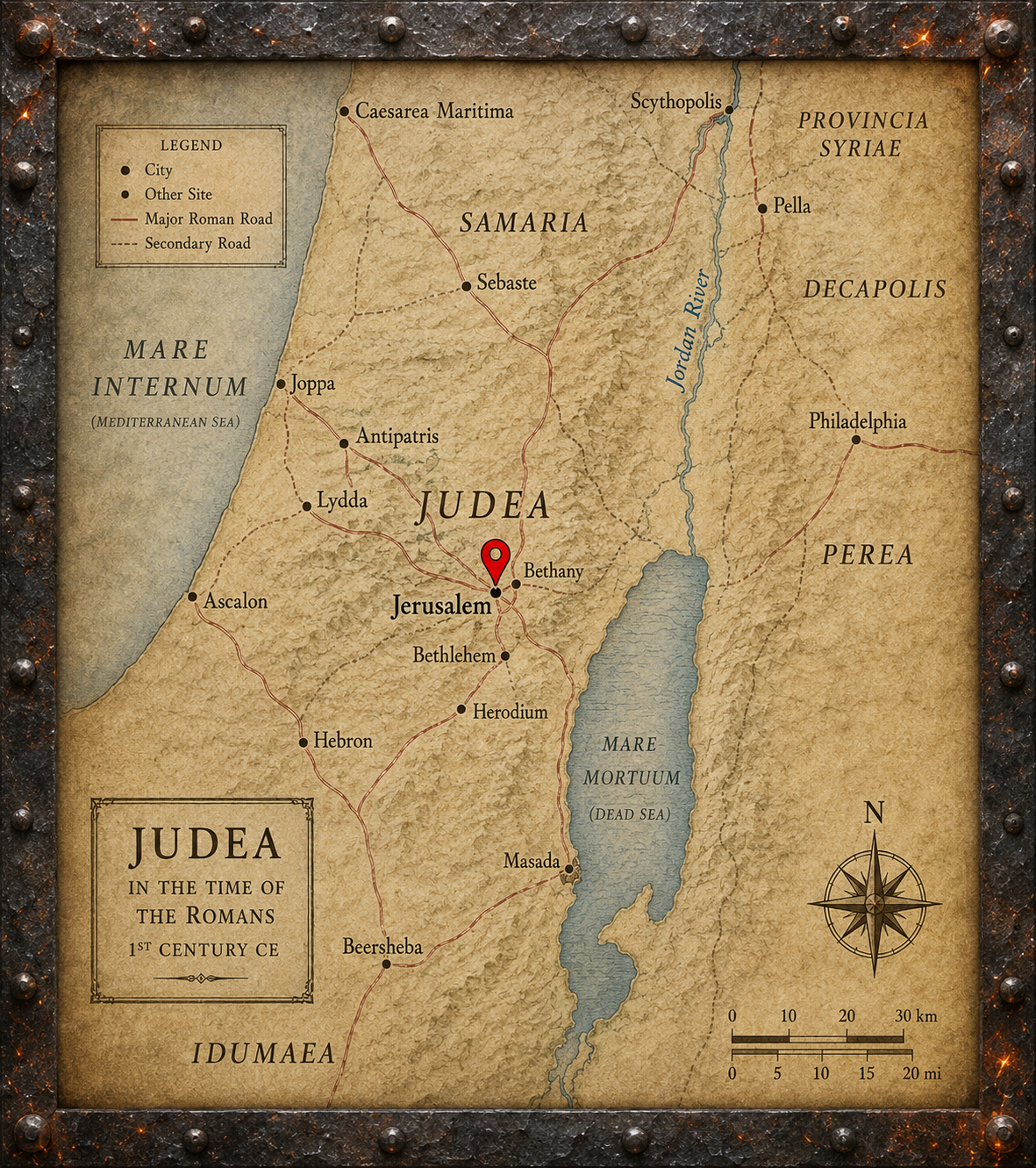
Jerusalem
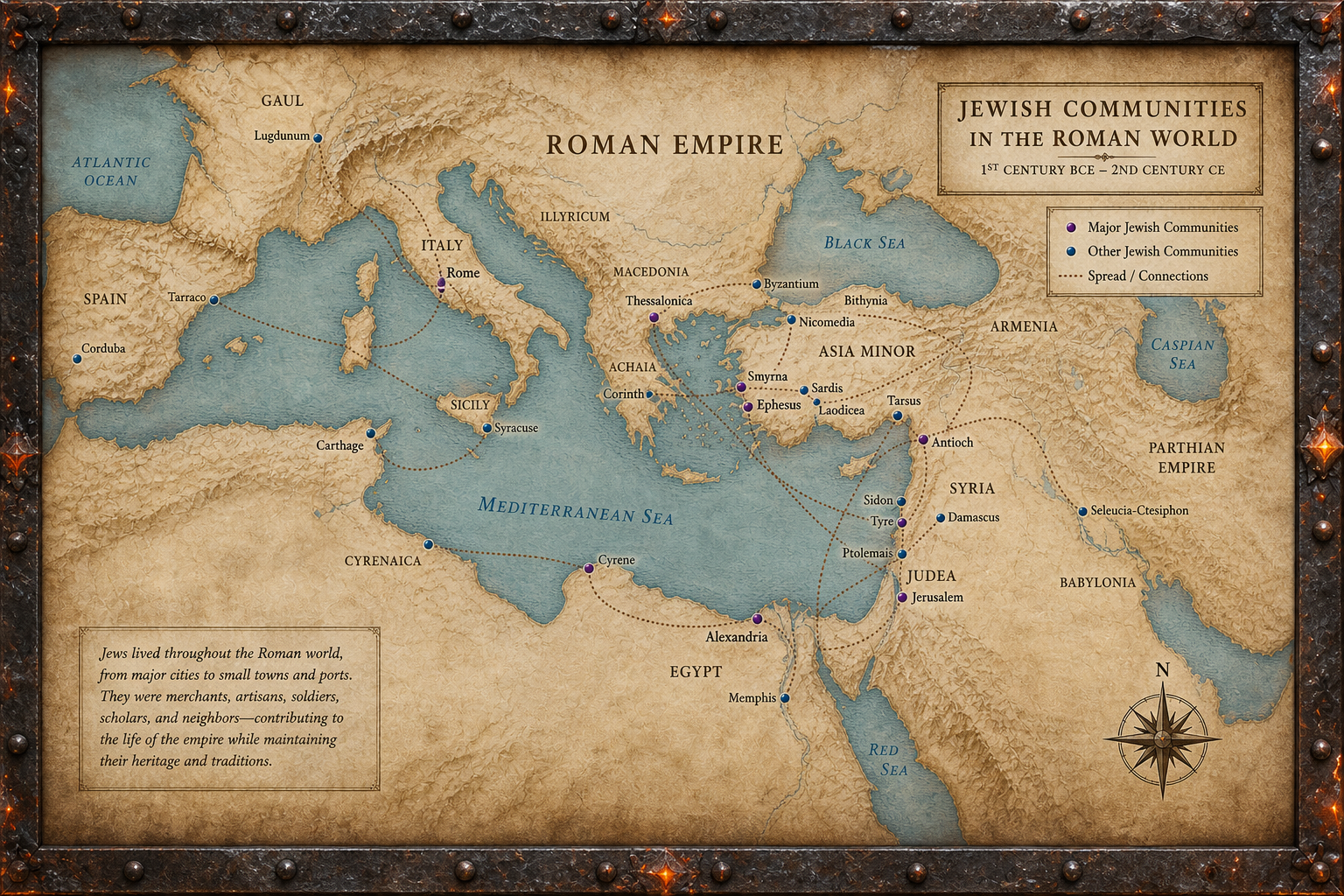
The Diaspora (Region)
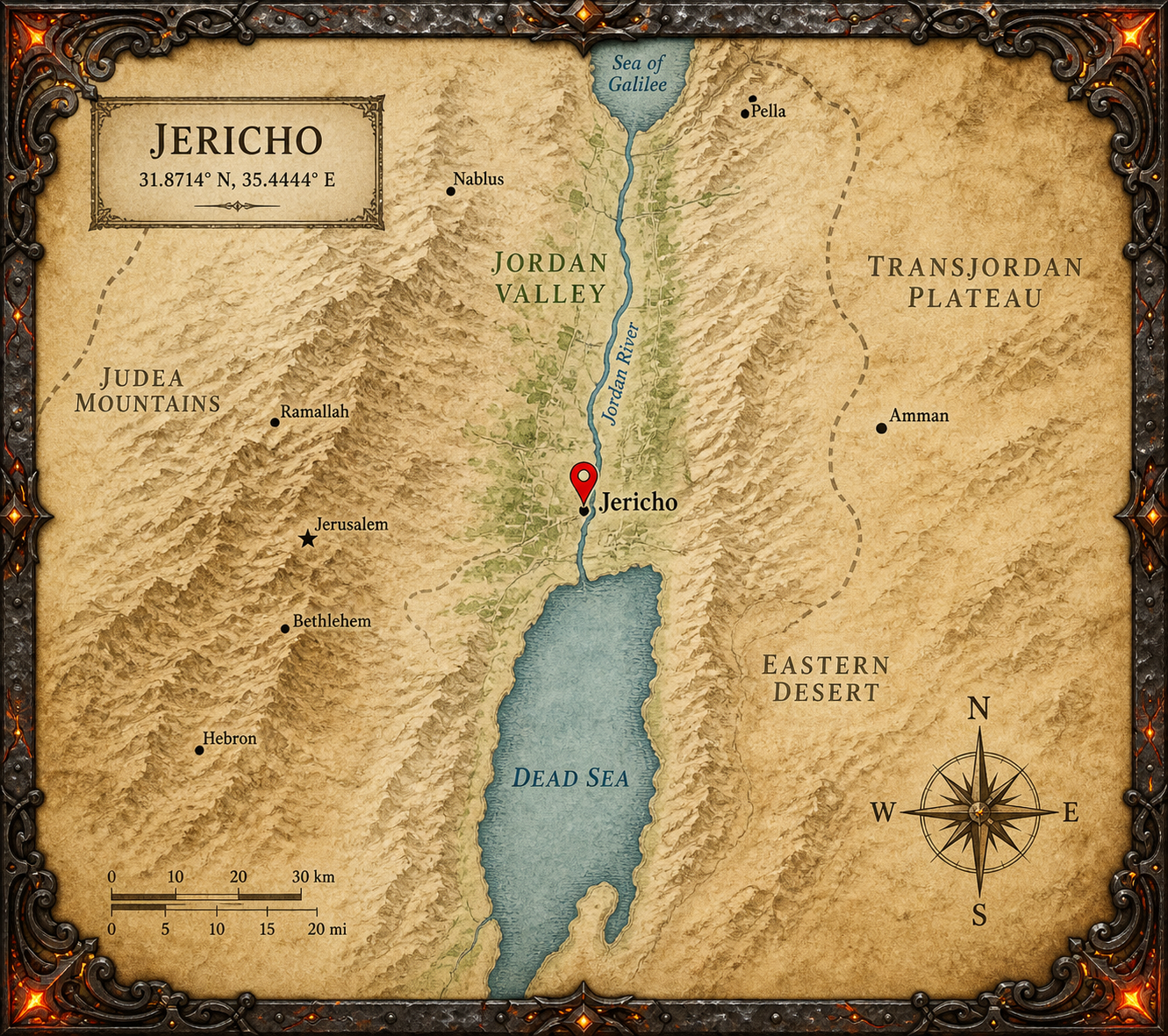
Jericho
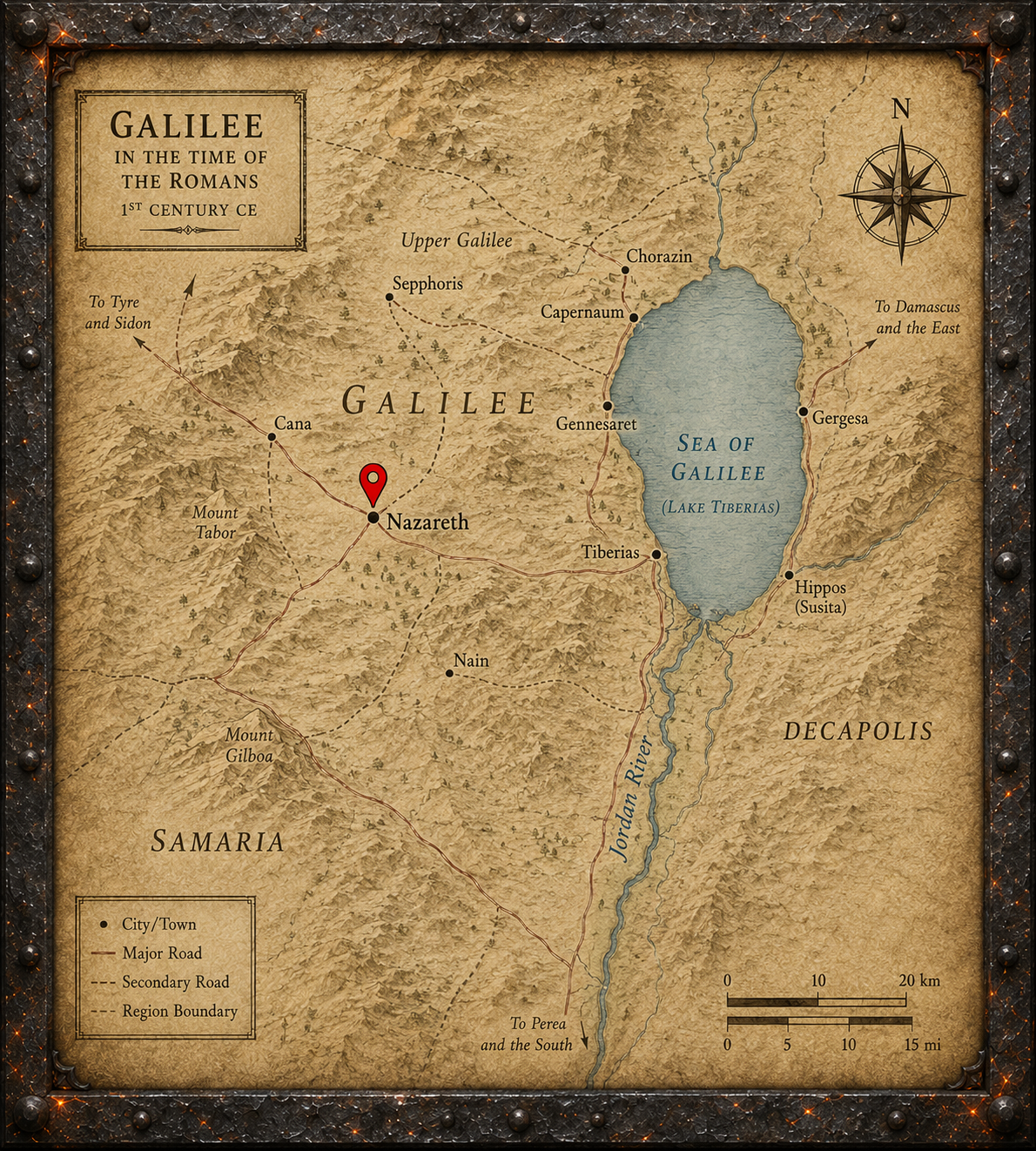
Nazareth
| # | Lesson | Passage | Published |
|---|---|---|---|
| 1 | Testing of Your Faith | James 1:1–18 | October 17, 2025 |
| 2 | Hearing and Doing the Word | James 1:19–27 | October 17, 2025 |
| 3 | The Sin of Partiality | James 2:1–13 | November 7, 2025 |
| 4 | Faith Without Works | James 2:14–26 | January 2, 2026 |
| 5 | Taming the Tongue | James 3:1–12 | January 16, 2026 |
| 6 | Wisdom from Above | James 3:13–18 | January 16, 2026 |
| 7 | Warning Against Worldliness | James 4:1–12 | February 6, 2026 |
| 8 | Boasting About Tomorrow | James 4:13–17 | February 20, 2026 |
| 9 | Warning to the Rich | James 5:1–6 | March 6, 2026 |
| 10 | Patience in Suffering | James 5:7–12 | March 20, 2026 |
| 11 | The Prayer of Faith | James 5:13–20 | April 3, 2026 |